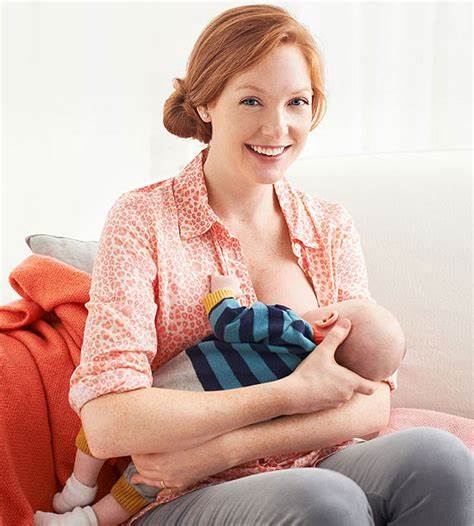
Breastfeeding also known as nursing is the feeding of babies and young children with milk from a woman’s breast. It is recommended for mothers to initiate breastfeeding within the first hour after birth. The baby is placed on the mother and feeding starts as soon as the baby shows interest. During the first few weeks of life, babies may nurse roughly every two to three hours, and the duration is always 10 to 15 fifteen minutes on each breast.
The World Health Organisation (WHO) and United Nations International Children’s Emergency Fund (UNICEF) recommend breastfeeding exclusively for six months. This means that no other foods or drinks other than possibly vitamin D are typically given.
After the introduction of foods at six months of age, recommendations include continued breastfeeding until one to two years of age or even more. Mothers may pump milk so that it can be used later when breastfeeding is not possible especially for working mothers.
Research carried out however shows that women in Uganda do not breastfeed their children to the required standards set by the World Health Organisation.
Benefits of breastfeeding
- Breastfeeding decreases the risk of respiratory tract infections and diarrhea,asthma and food allergies among babies.
- Improves cognitive development and decreases the risk of obesity in adulthood.
- It decreases the risk of breast cancer among mothers.
- Breastfeeding decreases postpartum depression and delays the return of menstruation.
- A breastfeeding mother gets regular time and money to relax quietly with your new born as you bond.
- It saves time and money which a mother would have spent either to buy formula or treating illnesses that babies who have not been breastfed suffer.
Breastfeeding positions
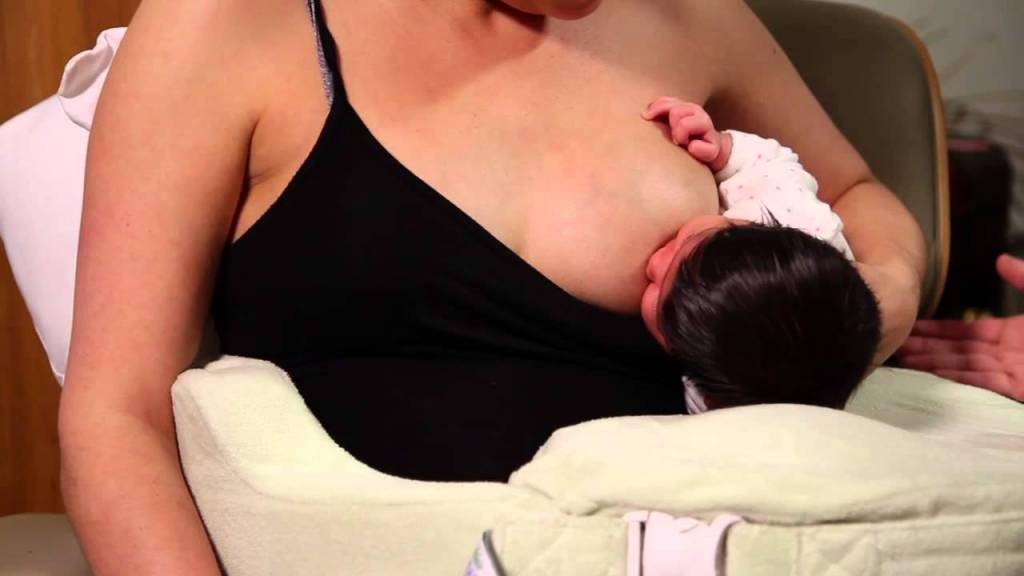
Cradle Position. A mother rests the baby’s head in the crook of her elbow with his whole body facing her. The other arm can wrap around to support the baby’s neck.
Football position. The baby is lined back along the mother’s forearm to hold him like a football, supporting his head and neck in her palm. This works best with newborns and small babies.
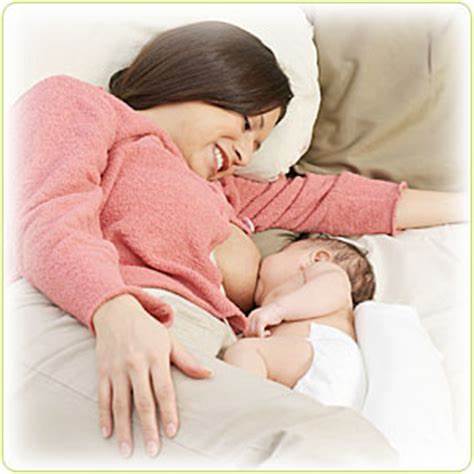
Side-lying position. This position is great for night breastfeeding in bed. A pillow is placed under a mother’s head to get comfortable.

Finally, always remember the ABCs of breastfeeding;
- A-Awareness; watch for your baby’s signs of hunger and breastfeed whenever your baby is hungry. Hungry infants move their hands towards their mouth, make sucking noise or mouth movement.
- B-Be patient; Breastfeed as long as your baby wants to nurse each time. Don’t hurry your infants, typically breastfeed for 10 to 20 minutes on each breast.
- C-Comfort; Relax while breastfeeding, and your milk is more likely to let down and flow. Get yourself with pillows to support head, neck and a footrest to support you’d feet and legs before you begin to breastfeed.
A healthy baby is every mother’s desire, to achieve it, begin the journey of the infant’s life with breastfeeding.
An African lady breastfeeding 
A lady breastfeeding 
A happy lady breastfeeding 
A baby looking at his mother as he sucks breast milk 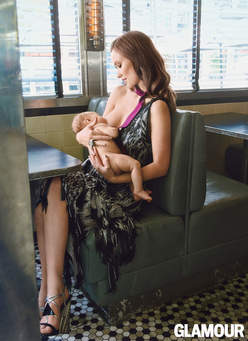
A lady seated breastfeeding
 Healthy Baby